
Switchboard Upgrade in East Gosford: Safety, Process and Cost Factors
The switchboard is the heart of a home's electrical system, yet in many East Gosford houses it has not been touched since the day the slab was poured. Open the metal door on a home built in the 1950s, 60s or 70s around Brisbane Water and there is a fair chance of finding ceramic fuses, a tangle of ageing conductors and not a single safety switch. With solar, batteries, electric vehicles and ever bigger appliances piling load onto these old boards, the switchboard upgrade has become one of the most requested electrical jobs on the Central Coast. This guide explains how to tell when a board is due, what the upgrade involves and where the money goes.
How to Tell a Switchboard Is Past Its Use By Date
Ceramic Fuses and Missing Safety Switches
Ceramic plug in fuses were standard for decades, but they protect wiring only against gross overload and do nothing to protect people. A modern safety switch, formally a residual current device, cuts power in a fraction of a second when current leaks to earth, the situation that occurs when someone receives an electric shock. Any board without safety switches on its circuits is offering 1960s levels of protection to a 2020s household. Rewireable fuses also invite dangerous improvisation, with stories of fuse wire replaced by whatever was in the shed still surprisingly common.
Overloading, Heat and Asbestos Panels
Other red flags include breakers or fuses that trip regularly, warm spots or scorch marks on the panel, buzzing sounds, and boards with no spare space for new circuits. Many older switchboards in the region are also mounted on black backing panels made of an asbestos containing material. The panel is safe while undisturbed, but it means any work on the board needs careful handling and usually replacement of the panel as part of an upgrade, performed with appropriate precautions.
What a Switchboard Upgrade Involves
The Core Work
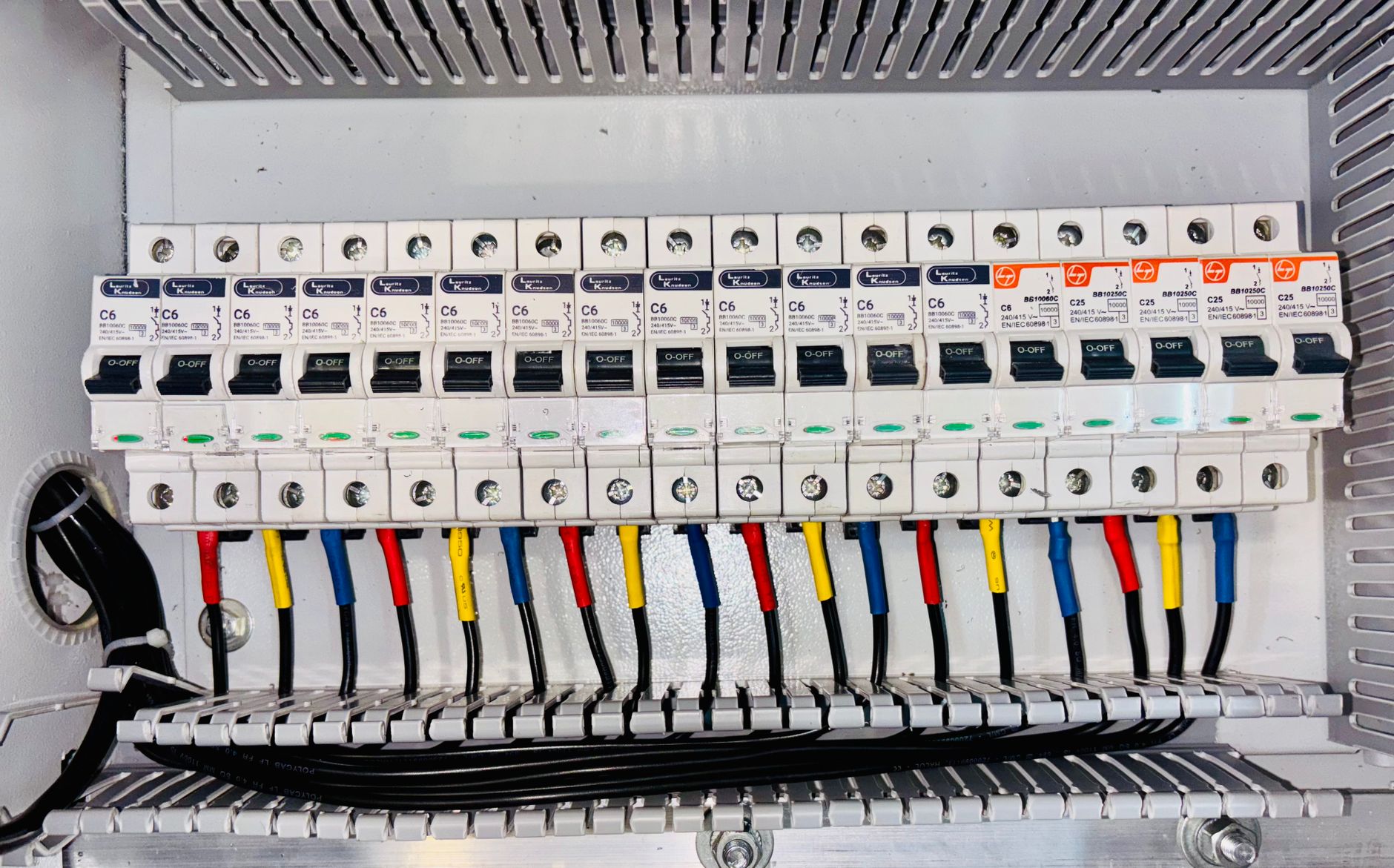
An upgrade replaces the old fuse assembly with a modern enclosure containing circuit breakers and safety switches for every circuit, arranged and labelled to AS/NZS 3000. The electrician isolates the supply, strips out the old gear, tests every existing circuit for faults, terminates the circuits into new protective devices and restores power, usually within a single day. Testing matters, because old boards often hide defective circuits that only reveal themselves once modern protection is fitted. The job concludes with a Certificate of Compliance for Electrical Work, the homeowner's proof that the installation meets New South Wales requirements.
When Level 2 Work Enters the Picture
Sometimes the upgrade extends beyond the board itself. If the consumer mains between the street and the house are deteriorated, if the connection needs upgrading from single to three phase, or if the service fuse needs attention, that is classified as Level 2 work in the Ausgrid network area and must be performed by an accredited service provider. A licensed East Gosford electrician will identify this during the initial inspection so the quote covers everything and the household is not left waiting mid job for another contractor.
What Drives the Cost of an Upgrade
Switchboard quotes vary because homes vary. The number of circuits is the first driver, since each needs its own protective device. The condition of the existing wiring is next, because faults discovered during testing must be repaired before the circuit can be re energised. An asbestos backing panel adds safe removal and disposal. Relocating the board, upgrading consumer mains, adding provision for solar, battery or electric vehicle circuits, and bringing smoke alarms up to current standards all add scope. Single storey brick and weatherboard homes with accessible boards sit at the simpler end, while relocations and Level 2 mains work sit at the other. A written, itemised quote after a physical inspection is the only reliable way to compare offers.
Frequently Asked Questions
Are safety switches compulsory in New South Wales homes?
Safety switches are mandatory on new circuits and whenever a switchboard is upgraded or significant electrical work is done. Older homes are not forced to retrofit them proactively, but any electrician working on the installation must bring the affected circuits up to standard, and doing the whole board at once is the sensible approach.
How long does a switchboard upgrade take?
A straightforward like for like upgrade is normally completed in four to eight hours, with power off for much of that time. Jobs involving asbestos panel replacement, circuit repairs or Level 2 mains work can run longer, and the electrician should give a clear timeframe before starting.
Will an old switchboard stop solar or an EV charger being installed?
Frequently, yes. Solar systems, batteries and car chargers each need dedicated circuits with modern protection, and installers cannot legally connect them to a non compliant fuse board. Upgrading the switchboard first, sized with spare capacity, is the standard path for East Gosford homes planning these additions.
Is a switchboard upgrade disruptive for the household?
Only mildly. Power is off for several hours while the changeover happens, so fridges stay closed and work from home plans need adjusting, but there is no dust, no wall damage and no need to leave the property. By evening the home is running on modern protection.
Time to Retire Those Old Fuses?
Get a free, no obligation quote from a licensed local electrician serving East Gosford and the Central Coast.