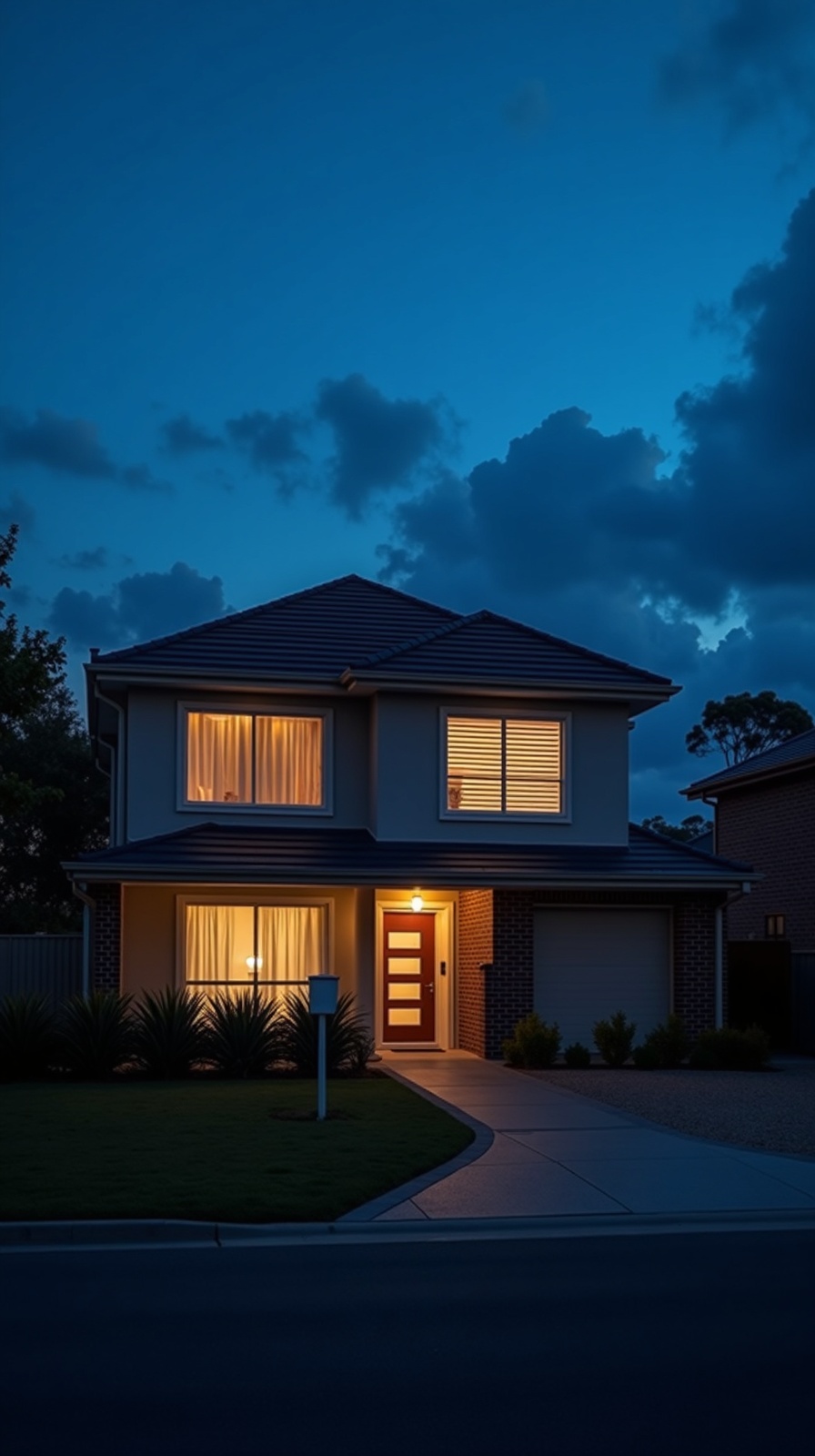

Summer Storm Power Surge Protection for Central Coast Homes
Storm season on the Central Coast runs roughly from late spring through summer, when humid afternoons build into thunderstorms that roll across Brisbane Water and hammer the region with lightning, wind and sudden downpours. Every season, those storms destroy televisions, fridges, solar inverters and air conditioners in local homes, and most of that damage comes not from direct strikes but from power surges travelling along the network. The good news is that surge damage is largely preventable with the right layers of protection.
How storms damage home electronics
A surge is a brief spike in voltage far above the normal 230 volt supply. Lightning does not need to hit a house to cause one. A strike on power lines streets away, or even a strike to ground nearby, can push a damaging spike through the network and into every connected appliance. Surges also occur when Ausgrid restores power after an outage, as the sudden re-energisation of the network can arrive with a jolt.
Modern appliances are more vulnerable than the ones they replaced. Inverter air conditioners, smart televisions, induction cooktops, solar systems and anything with a circuit board can be killed by a spike that older, simpler appliances would have shrugged off. Repeated small surges also degrade electronics gradually, shortening their lives without any single dramatic failure.
Layered surge protection explained
Effective protection works in layers. The first and most important layer is a surge diverter, technically a surge protection device or SPD, installed at the switchboard. It sits at the entry point of the installation and diverts the bulk of any spike to earth before it reaches the home's circuits, protecting hardwired equipment such as ovens, air conditioners and solar inverters that can never be plugged into a powerboard.
The second layer is point of use protection, meaning quality surge protected powerboards behind sensitive electronics like televisions, computers and home office gear. These clean up the smaller residual spikes that get past the switchboard device. Relying on plug in boards alone leaves every hardwired appliance exposed, which is why the switchboard layer comes first.
Safety switches are not surge protection
The two are often confused, and they solve completely different problems. A safety switch, or RCD, protects people by cutting power in milliseconds when current leaks to earth, such as through a person receiving a shock. It does nothing to stop a voltage spike destroying appliances. A surge diverter protects equipment but offers no shock protection. A well set up switchboard needs both, and the AS/NZS 3000 wiring rules require safety switch protection on new circuits as standard. Storm season is a convenient prompt to have both reviewed at once.
Getting storm ready before the season
A pre-season check by a licensed Central Coast electrician should confirm the switchboard is in sound condition, safety switches trip correctly when tested, and a surge diverter is fitted and has not already sacrificed itself absorbing past spikes, since most SPDs have an indicator showing their status. Around the property, look up. Trees growing into the overhead service line are a leading cause of storm damage on older Central Coast blocks, and trimming near lines is specialist work that should never be attempted from a ladder.
When a severe storm warning is issued, the simplest protection is still unplugging valuable electronics before the front arrives. No consumer device is guaranteed against a direct strike, so removing the connection entirely remains the gold standard for irreplaceable equipment.
After the storm: what to check
Once a storm passes, check the switchboard for tripped safety switches and reset them once. If a switch will not hold, a circuit or appliance has likely been damaged and needs professional attention. Burning smells, buzzing from the board, or power lost to only part of the house all warrant a call out rather than experimentation. Fallen wires and damage to the service line before the point of attachment belong to Ausgrid, while everything from that point into the home is the owner's responsibility and requires a licensed electrician. Never approach fallen lines under any circumstances.
Frequently Asked Questions
What affects the cost of installing surge protection?
The main factors are the type and rating of the surge protection device, the age and available space in the existing switchboard, whether the board needs other upgrades to accommodate it, and whether solar or three phase supply is involved. An inspection allows an accurate quote.
Can a surge protector stop a direct lightning strike?
No device realistically can. Switchboard surge diverters handle the far more common indirect surges from nearby strikes and network switching. For a direct strike, physical disconnection before the storm is the only true protection for prized electronics.
Who fixes storm damage, Ausgrid or an electrician?
Ausgrid repairs the network side, including street wires and the service line up to the point of attachment on the house. Damage from that point onward, including the switchboard and household circuits, must be repaired by a licensed electrician engaged by the owner.
How long does surge diverter installation take?
In a modern switchboard with spare space, typically an hour or two including testing. Older boards may need rework first, which extends the job. Power is switched off briefly during installation, so occupants should plan around a short outage.