
Solar Panel Installation in East Gosford: A Homeowner's Guide
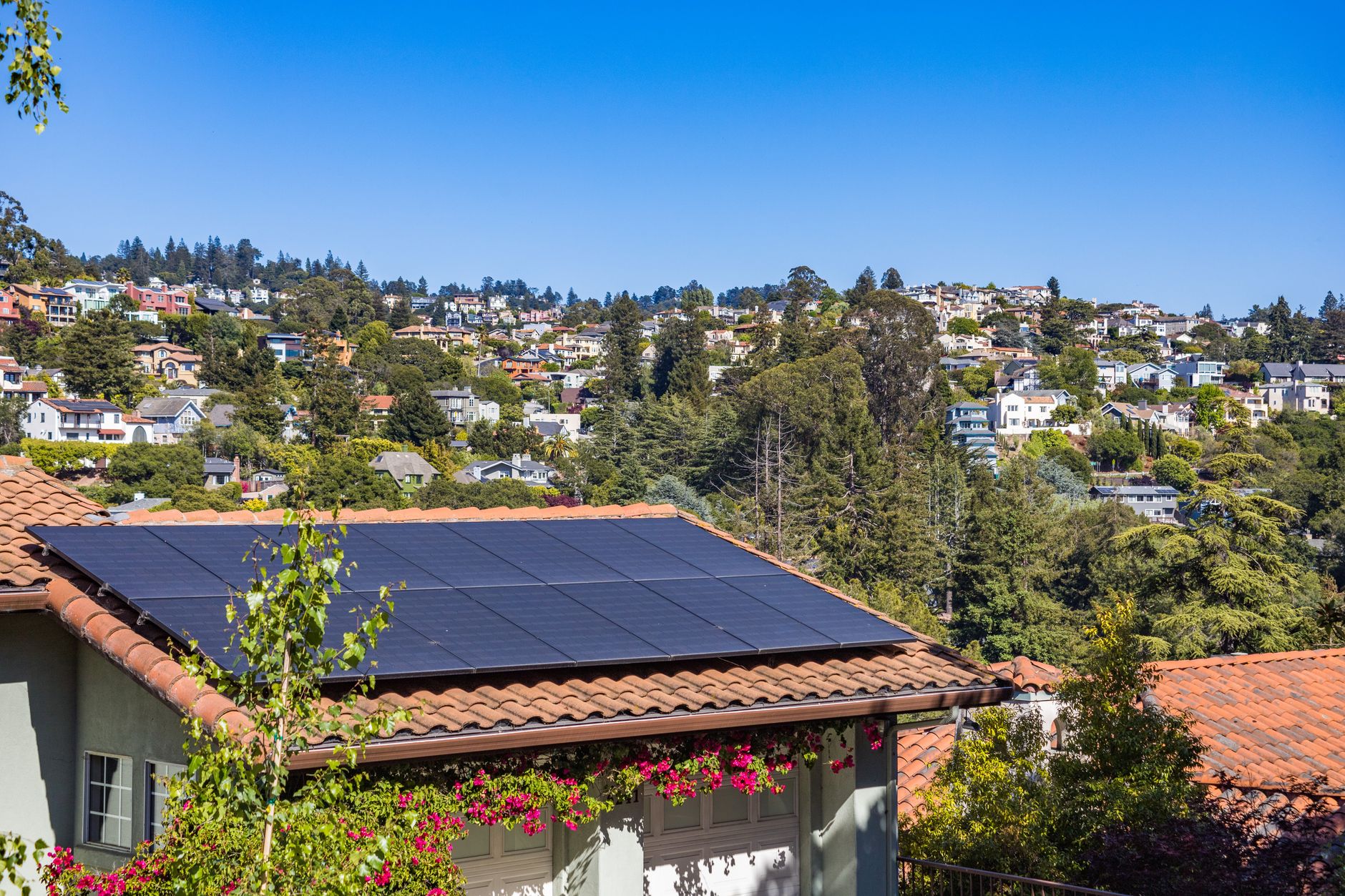
Rooftop solar has quietly become one of the most common home upgrades on the Central Coast, and East Gosford is well placed to take advantage of it. The suburb enjoys generous sunshine hours, plenty of north facing rooflines on its established housing stock, and electricity bills that keep nudging upward. For homeowners around Brisbane Water weighing up whether panels make sense, the good news is that the technology is mature, the process is well regulated in New South Wales, and a properly designed system can carry a household through decades of use.
Why East Gosford Homes Suit Solar
Much of East Gosford was built between the 1950s and 1970s, which means single storey brick veneer and weatherboard homes with simple, uncluttered rooflines. That is exactly the kind of roof solar installers like to work with. Tiled and corrugated metal roofs are both suitable, and the modest pitch typical of the era sits close to the ideal angle for panel output at this latitude.
Shading is the main local variable. Established gums and jacarandas are part of the suburb's character, but a branch that shades even one panel for part of the day can drag down the output of a whole string. A good installer will model shading across the year before recommending panel placement, and may suggest microinverters or optimisers where trees cannot be avoided.
What the Installation Process Involves
A residential solar installation in New South Wales follows a fairly predictable path. It starts with a site assessment, where the installer inspects the roof structure, measures available space, checks the switchboard and reviews recent electricity usage to size the system correctly. Oversizing wastes money and undersizing leaves savings on the table, so this step matters more than any brochure comparison.
Next comes network approval. East Gosford sits in the Ausgrid distribution area, and Ausgrid must approve any system before it can be connected to the grid. The installer normally handles this paperwork. Once approval is granted, the physical installation usually takes a single day for a typical household system: mounting rails, panels, an inverter in a shaded and ventilated spot, and new cabling back to the switchboard, all completed to AS/NZS 3000 wiring standards. The final step is the connection of a smart meter and the lodgement of compliance paperwork, after which the system can begin exporting surplus power.
Roof and Switchboard Considerations in Older Homes
Age brings a few extra checks. Some older tiled roofs in the suburb have brittle tiles or rusted battens that should be repaired before panels go on, because lifting a system to fix a roof later is an avoidable expense. Salt air drifting off Brisbane Water also means fixings, rails and clamps should be marine grade, and panel frames should carry a corrosion warranty suited to coastal locations.
The switchboard deserves equal attention. Homes still running ceramic fuses or lacking safety switches will usually need a switchboard upgrade before solar can be connected, since the new circuit must be protected to current standards. Having a licensed East Gosford electrician assess the board during the initial quote avoids surprises on installation day, and bundling the upgrade with the solar work is generally more efficient than doing the two jobs separately.
Choosing an Installer and Understanding Cost Factors
Price quotes for solar can vary widely, and the differences usually come down to a handful of factors rather than mystery. System size in kilowatts is the biggest driver, followed by the quality tier of the panels and inverter, the complexity of the roof, whether scaffolding or double storey access is needed, the condition of the switchboard, and whether battery readiness or consumption monitoring is included. Federal small scale technology certificates reduce the upfront amount and are normally applied as a point of sale discount.
Beyond price, homeowners should confirm the installer is accredited by Solar Accreditation Australia, that an appropriately licensed electrician performs the electrical work, and that both product and workmanship warranties are clearly documented. Local experience helps too. An installer familiar with Central Coast conditions will specify hardware that handles humidity, salt and the occasional fierce summer storm without complaint.
Frequently Asked Questions
Do East Gosford homeowners need council approval for solar panels?
In most cases, no. Standard rooftop solar on a house is exempt development in New South Wales provided the panels sit close to the roof plane and the home is not heritage listed. Grid connection approval from Ausgrid is still required, but the installer arranges that as part of the job.
How long does a solar installation take from quote to switch on?
Allow a few weeks in total. The site visit and quote come first, Ausgrid approval typically takes several business days, and the physical installation is usually finished in one day. Meter reconfiguration by the electricity retailer is the final step before the system starts earning feed in credits.
Does salt air from Brisbane Water damage solar panels?
Quality panels are tested for salt mist corrosion and cope well in coastal suburbs. The key is specifying marine grade mounting hardware and rinsing panels occasionally with fresh water. A periodic inspection of frames, clamps and cable entries keeps corrosion from ever getting a foothold.
Will solar work during a blackout?
A standard grid connected system shuts down automatically during an outage for the safety of network workers. Homeowners who want power through a blackout need a battery with backup capability, which can be added at installation or retrofitted later if the inverter is chosen with that in mind.
Ready to Go Solar in East Gosford?
Get a free, no obligation quote from a licensed local electrician serving East Gosford and the Central Coast.