
Solar Battery vs Grid Power on the Central Coast
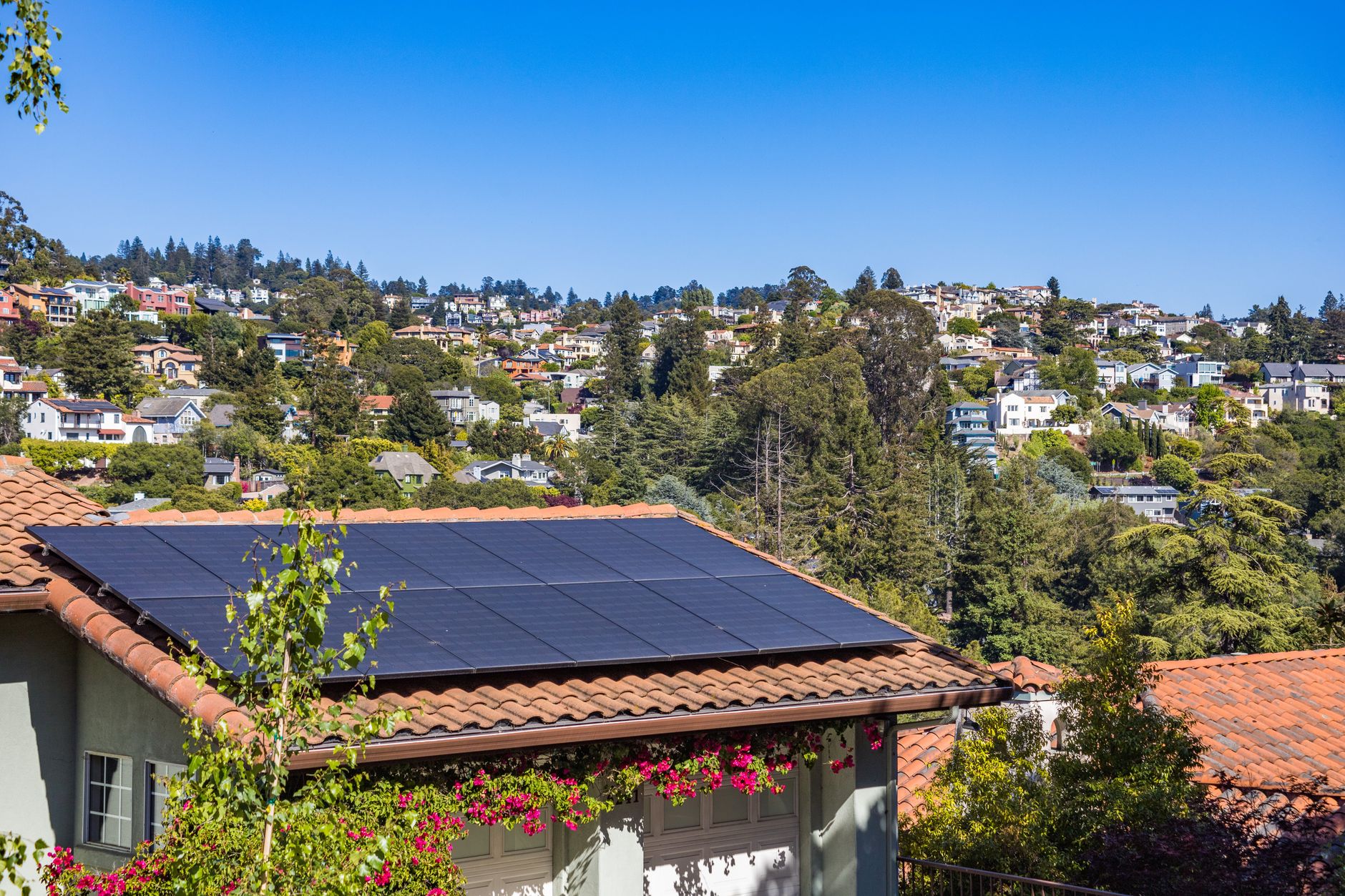
Most Central Coast homes with solar still send a large share of their daytime generation back to the grid, then buy electricity back at a higher rate in the evening. A solar battery changes that equation by storing daytime power for use after sunset. Whether storage makes sense depends on how a household uses electricity, how reliable the local network is and what the homeowner wants from the system. This comparison looks at grid reliance and battery storage side by side for homes around East Gosford, Gosford and the wider Brisbane Water area.
How grid connected solar without a battery works
A standard grid connected system feeds the home first, then exports any surplus to the network. Years ago, generous feed in tariffs made exporting attractive, but retailer payments have fallen steadily, so exported energy now earns far less than the energy purchased back in the evening. Many Central Coast households are also moving to time of use tariffs, where evening electricity is charged at peak rates precisely when solar has stopped producing. Ausgrid also applies export limits in parts of the network, which can cap how much surplus a system is allowed to send out. Grid only solar remains simple and dependable, with fewer components to maintain and nothing extra to house in the garage, but the financial gap between what exports earn and what evening power costs keeps widening every year, and that gap is the main reason storage keeps coming up in conversations across the region.
What a battery changes
A battery captures the surplus that would otherwise be exported and releases it in the evening, which is when most families cook, run heating or cooling and switch on entertainment. This lifts self consumption dramatically, meaning far more of the home's power comes from its own roof. Modern systems are smart as well. They can be programmed to charge from cheap off peak periods, prioritise stored energy during peak windows and participate in virtual power plant programs that reward households for supporting the network. For a household with strong evening usage, storage converts solar from a daytime discount into something closer to around the clock supply.
Blackout protection and reliability
The Central Coast cops its share of storms, and falling branches or flooding can interrupt supply in pockets around Brisbane Water. Here the two options differ sharply. A grid connected solar system without a battery must shut down during a blackout for safety reasons, so the panels sit idle even in full sun. A battery with backup capability keeps selected circuits running, typically the fridge, some lights, internet equipment and a few power points. Whole home backup is possible with larger systems, though most households nominate essential circuits instead. A local electrician can identify which circuits matter most and wire the backup arrangement accordingly during installation.
Which option suits which household
Grid only solar still stacks up for households with low evening usage, strong daytime consumption or a tighter budget, since panels alone remain the fastest way to cut bills. Storage suits homes with high evening demand, people working from home who value backup power, and households planning an electric vehicle or full electrification. Payback horizons differ too. Panels typically recover their cost faster than batteries, so many owners install solar first and add storage once usage patterns are clear. The right answer comes from real consumption data rather than assumptions, which is why reviewing interval data from a smart meter is a sensible first step. An electrician can also check whether the existing inverter is hybrid ready, since that single detail often decides how simple or involved a future battery retrofit will be.
Frequently Asked Questions
Will a solar battery take a home off the grid?
Not in most cases. Residential batteries are designed to work alongside the grid, storing daytime surplus and covering evenings while the network handles extended cloudy periods and large loads. True off grid living requires much larger storage and generation, which is rarely practical for a standard suburban block.
What can a battery actually run during a blackout?
That depends on the battery size and how the backup circuits are wired. Most installations keep essentials going, such as the fridge, lighting, internet and selected power points. High draw appliances like ovens, ducted air conditioning and pool pumps are usually left off the backup circuit to preserve capacity.
Does solar work during a blackout without a battery?
No. Grid connected inverters are required to shut down automatically when the network fails, a safety feature that protects crews repairing the lines. Without a battery and backup capable hardware, a solar home loses power in an outage exactly like every other house in the street.
How long do solar batteries last?
Most reputable residential batteries carry warranties of around ten years, with a guaranteed portion of original capacity remaining at the end of that period. Actual lifespan depends on how heavily the battery cycles, ambient temperature and installation quality, which is why placement and sizing advice matters.