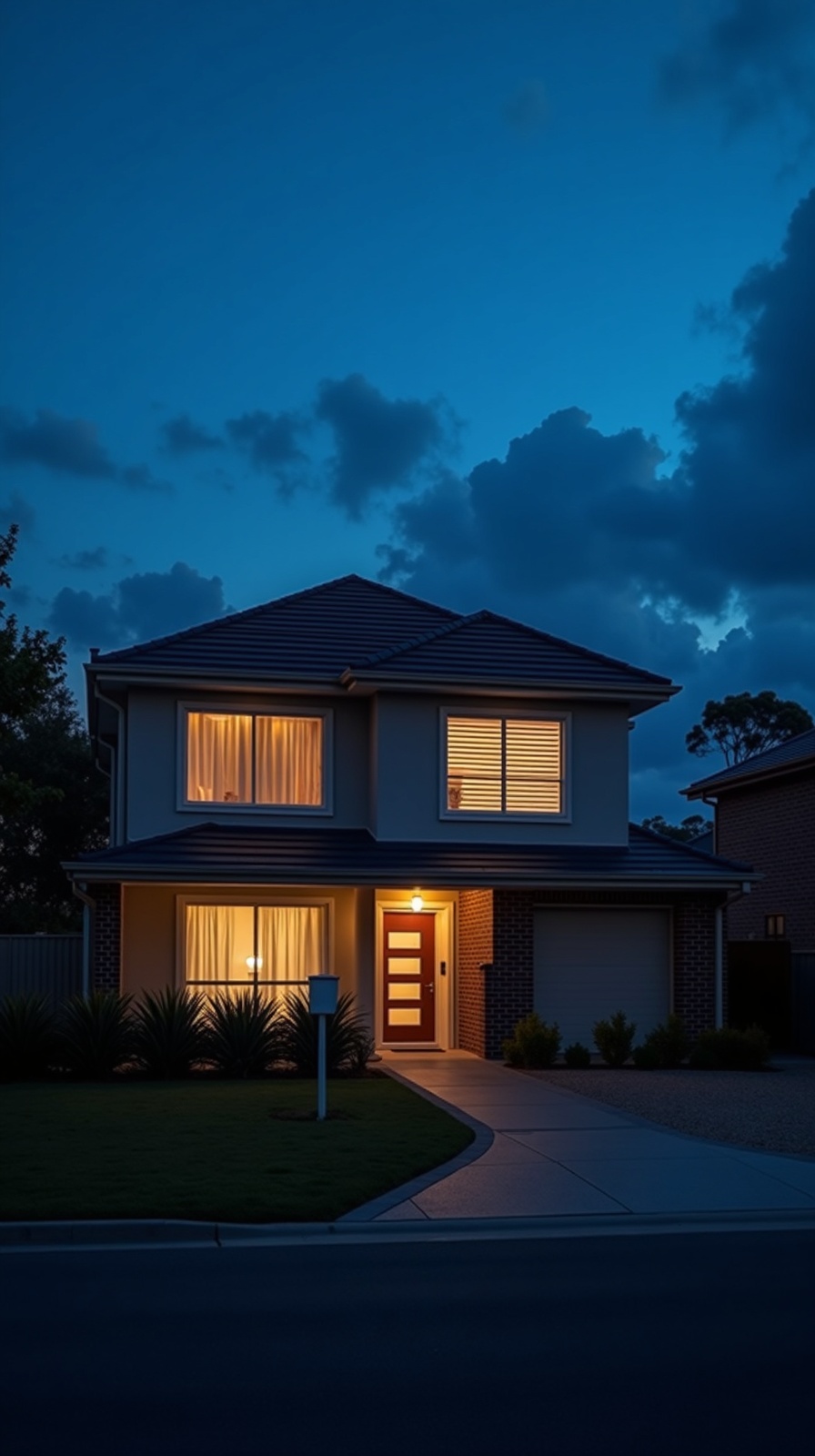

Security Camera and CCTV Installation in East Gosford: A Buyer's Guide
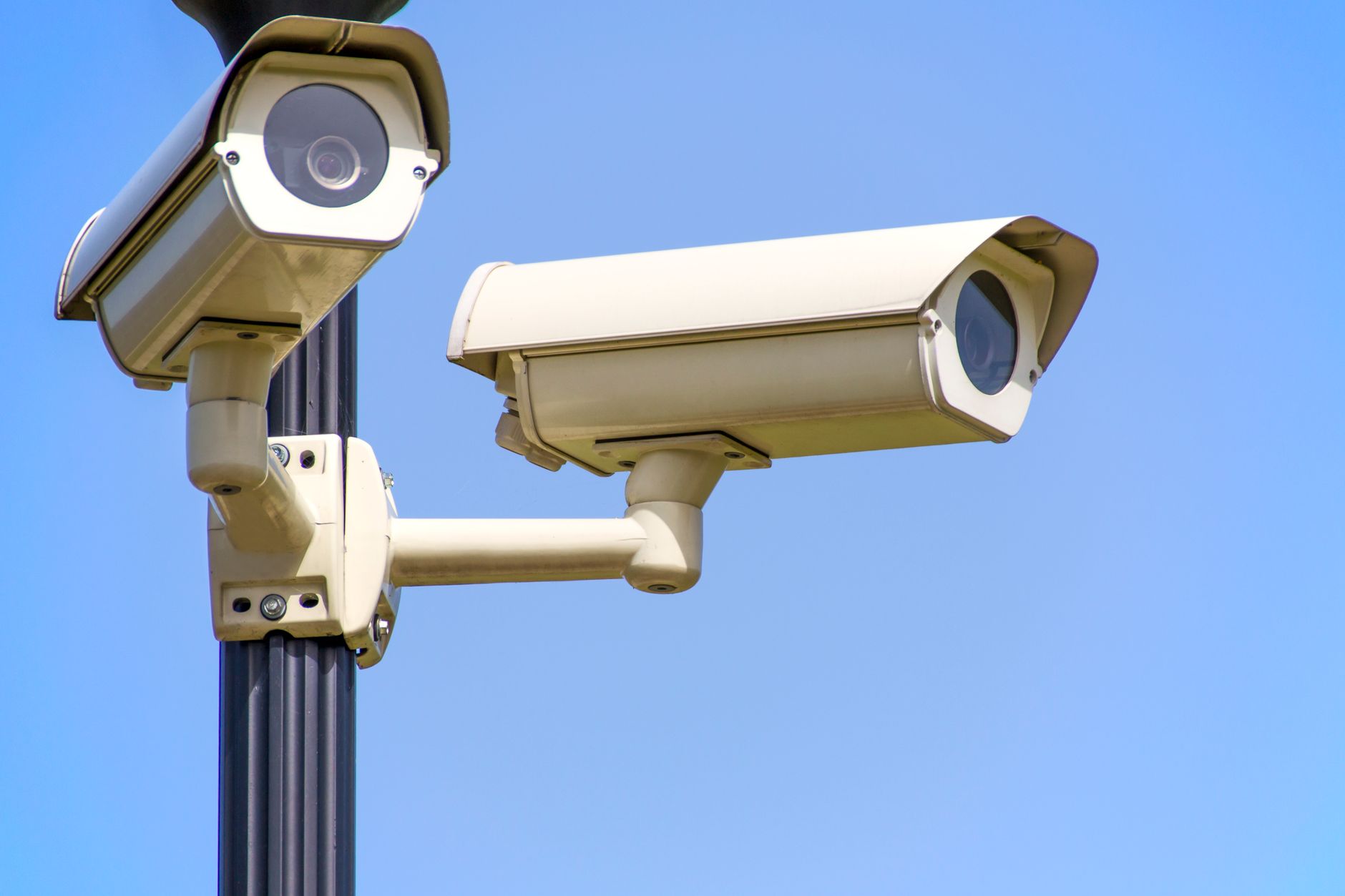
Peace of mind is a hard thing to price. For households around East Gosford, where quiet streets back onto reserves and many residents travel for work or holidays up and down the coast, a well planned security camera system has become as normal as a garden fence. Modern CCTV is sharper, smarter and far more affordable to run than the grainy systems of a decade ago, and when it is professionally installed it simply works, year after year, through every Central Coast storm season. This article looks at what a good home system delivers, the choices involved, and the rules worth knowing in New South Wales.
What a Well Designed CCTV System Actually Delivers
The obvious benefit is deterrence. Visible cameras change the calculation for an opportunistic intruder, and research consistently shows properties with overt security hardware are less likely to be targeted. The less obvious benefits often prove just as valuable in daily life. Parents check that children arrived home from school. Deliveries left on the porch are watched. A strange noise at 2am becomes a thirty second phone check instead of a nervous walk outside. If an incident does occur, high resolution footage with accurate timestamps gives police something concrete to work with and supports insurance claims.
Quality matters enormously here. A blurry image that cannot distinguish a face or a number plate is little more than decoration. Modern systems recording at 2K or 4K resolution, with proper night vision and sensible camera placement, produce footage that is genuinely useful rather than merely reassuring.
Wired, Wireless and Everything In Between
The terms confuse many buyers. So called wireless cameras still need power, either from a battery that requires regular recharging or a nearby power point. Fully wired systems, typically using power over ethernet, carry both power and data down a single cable to each camera, which is why professionals favour them for permanent installations. There are no batteries to die during a week of rain, no Wi-Fi dropouts at the exact wrong moment, and no footage lost because a camera at the far end of the yard lost signal.
For East Gosford's brick veneer and weatherboard homes, cabling can usually be run discreetly through the roof cavity and wall spaces, keeping the finished job tidy. Coastal conditions deserve a mention too. Cameras mounted under eaves facing Brisbane Water cop salt laden air, so choosing units with proper weatherproof ratings and corrosion resistant mounts pays off over the years.
Placement, Recording and Privacy Rules in New South Wales
Good placement is a design exercise, not guesswork. Entry doors, driveways, side access paths and the rear yard are the usual priorities, with cameras positioned high enough to resist tampering but angled to capture faces rather than the tops of heads. Recording is handled either locally on a network video recorder, in the cloud, or both, and each approach has trade offs in ongoing fees, storage duration and resilience if equipment is stolen.
Privacy law sets real boundaries. Under the New South Wales Surveillance Devices Act, homeowners should ensure cameras are aimed at their own property, not into a neighbour's windows or private spaces, and recording audio of private conversations carries much stricter rules than video. A considerate installer will angle and mask cameras so coverage stops at the boundary, which protects the homeowner legally and keeps the street friendly.
Why Professional Installation Beats the Weekend DIY Kit
Boxed camera kits look simple until the ladder comes out. Running cables through a hot roof space, drilling weatherproof entries through brick or weatherboard cladding, terminating network connections reliably and configuring secure remote access is skilled work, and poor DIY jobs commonly fail at the first storm. Any camera powered from a new fixed power point or hardwired supply also requires a licensed electrician by law in New South Wales. Engaging a licensed East Gosford electrician who installs CCTV means the mounting, cabling, power and network configuration are all handled to standard, cameras are positioned by someone who designs systems for a living, and the footage is actually recoverable the day it matters. Cost factors include camera count and resolution, cabling distances, roof access, recorder and storage choices, and any additional power circuits required.
Frequently Asked Questions
Do home security cameras need internet to work?
No. A wired system recording to a local network video recorder keeps capturing footage with no internet at all. An internet connection is only needed for remote viewing on a phone and for cloud backup, both worthwhile but not essential to core recording.
Can cameras legally film the street or a neighbour's property?
Cameras should be aimed at the owner's property. Incidentally capturing a public footpath is generally acceptable, but deliberately surveilling a neighbour's private areas can breach the Surveillance Devices Act and local privacy expectations. Professional installers set angles and privacy masks to keep coverage compliant.
How long is CCTV footage kept?
That depends on storage size, camera count and resolution. Typical home systems retain two to four weeks of continuous footage before overwriting the oldest files, and motion based recording stretches this considerably. Important clips can be exported and saved permanently at any time.
Will salt air near Brisbane Water damage outdoor cameras?
Cheap units can corrode within a few seasons. Cameras with solid weatherproof ratings, stainless or coated mounting hardware and sheltered positioning under eaves handle coastal conditions well, and an occasional wipe of housings and lenses keeps both the hardware and the image quality in shape.
See Your Home From Anywhere
Get a free, no obligation quote from a licensed local electrician serving East Gosford and the Central Coast.