

EV Charger Installation in East Gosford: The Full Process Explained
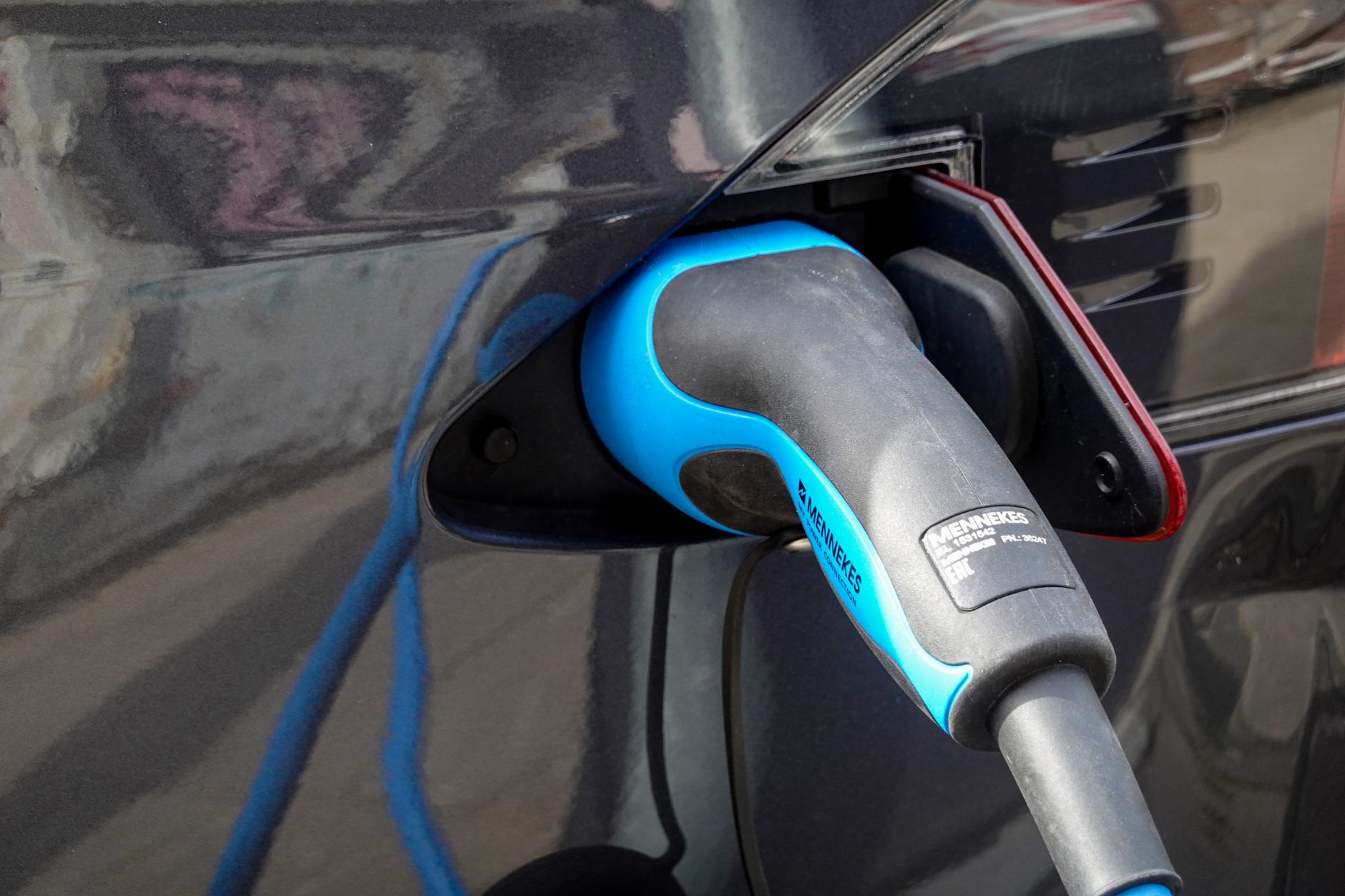
Electric vehicles are no longer a rare sight on Central Coast roads, and plenty of them are parked in East Gosford driveways every night. What many new owners discover quickly is that the charging cable supplied with the car is painfully slow, adding only a trickle of range overnight. A dedicated home charger changes the ownership experience completely, and this article walks through the full process of getting one installed, from choosing hardware to the final compliance certificate.
Why a Dedicated Charger Beats the Portable Cable
The portable charger that comes with most electric vehicles plugs into a standard power point and draws roughly what a kettle does. That translates to perhaps ten to fifteen kilometres of range per hour, which is workable for a short commute but frustrating after a long day of driving. A dedicated wall mounted charger on its own circuit delivers several times that rate, meaning even a nearly empty battery is full by morning. It is also safer, because it avoids running a sustained heavy load through a general power circuit that was never designed for it, a genuine concern in East Gosford's older homes.
Choosing the Right Charger Type
Home chargers are grouped by power output. A single phase unit around seven kilowatts suits the vast majority of households and vehicles, while three phase units offer faster rates for homes that have, or can get, a three phase supply. Beyond raw speed, the useful distinctions are smart features. Chargers that schedule sessions for off peak periods, respond to rooftop solar output, or share data with an app tend to repay their extra cost through cheaper charging. Some models also support load management, automatically throttling the charge rate when the oven and air conditioner are running so the main supply is never overloaded.
The Installation Process Step by Step
A professional installation follows a clear sequence. First comes a site assessment, where the electrician checks the switchboard capacity, measures the cable route from board to parking spot, and confirms where the charger will mount, whether on a garage wall, a brick pier or a post beside a carport. Second is the quote, which should itemise the charger, cabling, protection devices and any switchboard work.
On installation day the electrician runs a dedicated circuit from the switchboard, protected by its own circuit breaker and safety switch as required by AS/NZS 3000. The charger is mounted, connected and tested, and the installer configures any smart features and demonstrates them. The job finishes with a Certificate of Compliance for Electrical Work, the document that confirms the installation meets New South Wales requirements. Most straightforward installations are completed within a single day.
Older Homes and Switchboard Capacity
East Gosford's housing stock, much of it brick veneer and weatherboard from the 1950s through the 1970s, often carries switchboards from a different era. Ceramic fuses, missing safety switches and limited spare capacity are common finds, and an electric vehicle charger is a substantial continuous load to add. In many cases a switchboard upgrade is the sensible first step, and it is far cheaper to do it as part of the charger project than as an emergency later. An assessment by a licensed East Gosford electrician early in the planning stage will confirm whether the existing supply can support the charger or whether upgrades are needed first.
Ausgrid, Tariffs and Smart Charging
East Gosford sits within the Ausgrid network area, and that shapes a couple of decisions. Very large or three phase charging installations may require network notification, which the installer manages. More practically, Ausgrid's time of use pricing structure rewards households that shift charging into overnight off peak windows, and several electricity retailers now offer dedicated electric vehicle plans with very cheap midnight to dawn rates. A smart charger set to those windows, or programmed to soak up excess solar during the day, turns the family car into one of the cheapest vehicles on the road to run.
Frequently Asked Questions
How long does an EV charger installation take?
Most single phase installations are finished in half a day to a full day, depending on the cable run between the switchboard and the parking spot. Jobs that include a switchboard upgrade or long underground conduit runs can extend to two days.
Does an East Gosford home need three phase power for an EV charger?
No. A standard single phase supply runs a seven kilowatt charger comfortably, and that fills almost any electric vehicle overnight. Three phase becomes worthwhile mainly for households with two electric vehicles or drivers with unusually high daily kilometres.
Can a charger be installed in an open carport or outdoors?
Yes. Chargers rated for outdoor use are weatherproof and can mount to walls, piers or dedicated posts. Given the salt air near Brisbane Water, choosing a unit with a robust enclosure rating and positioning it out of direct weather will extend its working life.
Is it legal to install a charger without an electrician?
No. Hardwired chargers involve fixed wiring, which in New South Wales must be carried out by a licensed electrician who issues a Certificate of Compliance. Unlicensed installation is illegal, voids most warranties and can compromise home insurance.
Charge Faster at Home Tonight
Get a free, no obligation quote from a licensed local electrician serving East Gosford and the Central Coast.